
If you’ve ever been lucky enough to share your home with a Maine Coon, you already know they don’t just walk into your life; they fill it. With their majestic manes, chirpy voices, and almost dog-like devotion, these cats become more than ordinary pets, but family.
But for all their strength and size, Maine Coons are surprisingly delicate when it comes to certain health matters. Beneath the confident fluff lives a gentle, sometimes stoic giant one that rarely complains even when something feels off. That’s why understanding their health and natural lifespan isn’t just about numbers; it’s about learning their rhythms.
On average, a Maine Coon can live between 12 to 15 years, though many reach 18 or even 20 with proper care, nutrition, and early health awareness. Unlike smaller breeds, Maine Coons mature more slowly sometimes not fully grown until age 3 to 5. That slow, steady growth gives them their regal structure but also means their joints, heart, and metabolism need careful attention as they age.
Think of health care for a Maine Coon as a long conversation one that begins in kittenhood and continues for life. Each small choice you make, from brushing sessions to the food you serve, writes another line in that story.
“When Milo started slowing down, I thought he was just maturing,” one Maine Coon owner recalls. “Turns out, he needed a thyroid check. Catching it early changed everything.”
The goal isn’t to obsess over every sneeze or skip it’s to stay attuned. Maine Coons give subtle cues, sort of a shorter jump, a quieter purr, a skipped meal. Listening to those signs early is what keeps them strong well into their golden years.
You Might Like:
-
Maine Coon Kitten Care Guide — setting good health habits early
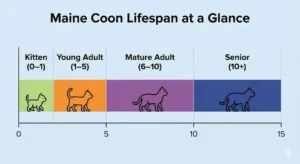
The Maine Coon Lifespan — What to Expect at Each Stage
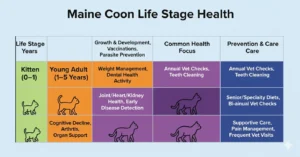
Every stage of a Maine Coon’s life brings new joys, and a few health checkpoints worth knowing. These cats age gracefully, but their needs shift quietly over time. Think of it less like aging, and more like evolving.
Kitten to Adolescent (0–1 year)
This is the whirlwind phase high energy, endless curiosity, and constant growth. Their immune systems are still developing, so vaccines, parasite prevention, and proper nutrition matter most now. Choose a high-protein kitten diet to support strong muscles and bones.
During this stage, you’re also shaping habits that will influence their future health grooming, teeth brushing, and handling should all begin gently now. Building confidence early also reduces anxiety later in life, making the importance of early socialization a key part of raising a healthy Maine Coon.
Young Adult (1–5 years)
Your Maine Coon will hit their full size during these years, though some continue filling out until age 4 or 5. They’re strong and energetic, but still prone to hidden genetic conditions like HCM (Hypertrophic Cardiomyopathy).
An annual vet check, including a heart screening if possible, is a wise investment. This is also when weight control starts to matter. Maine Coons love food, and owners love spoiling them. Portion control and daily play sessions are your best allies.
Mature Adult (6–10 years)
You might notice slower movements, longer naps, or a bit more resistance to jumping. This stage is about maintenance, keeping joints flexible and monitoring for dental buildup or mild stiffness. Supplements like glucosamine (vet-approved) can help, as can providing soft, supportive bedding.
Some cats at this age develop early thyroid or kidney changes. Routine bloodwork helps catch issues long before they become serious.
Senior Years (10+ years)
A Maine Coon at this age often has a calm wisdom about them, they’ve learned your routines and probably know your voice better than you think. But it’s also the time when mobility, digestion, and heart health need close attention.
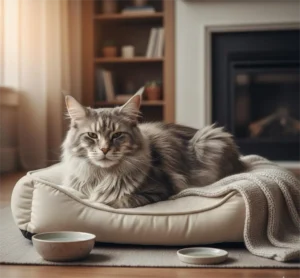
You’ll notice they prefer lower perches, gentler brushing, and quieter days. Keeping their environment easy to navigate and their diet easy to digest can add years of comfort.
Here’s a quick reference table to summarize the journey:
| Age Range | Life Stage | Key Focus | Health Priorities |
|---|---|---|---|
| 0–1 year | Kitten | Growth, bonding | Vaccines, diet, early handling |
| 1–5 years | Young Adult | Strength & play | Heart health, portion control |
| 6–10 years | Mature Adult | Stability | Joint support, dental care |
| 10+ years | Senior | Comfort | Mobility, heart, kidney checks |
Mini Tip:
Keep a simple health journal for your Maine Coon. Once a month, jot down their weight, appetite, and energy level. It sounds small, but noticing patterns early can make all the difference in catching hidden problems.
Most Common Maine Coon Health Issues
Every cat breed has its weak spots, and for Maine Coons, those weaknesses often hide behind the fluff. These cats are hardy, but they’re also genetically predisposed to a few conditions that owners should learn to recognize early. The good news? With awareness, regular checkups, and a bit of daily care, most of these issues can be managed or even prevented.
Below are the most common health concerns Maine Coons face explained in plain language, with a focus on what you can actually do to keep your gentle giant thriving.
Hypertrophic Cardiomyopathy (HCM)
If there’s one health condition every Maine Coon owner should know by name, it’s Hypertrophic Cardiomyopathy, or HCM. It’s the most common heart disease in cats, and Maine Coons are among the breeds genetically predisposed to it.
HCM causes the walls of the heart to thicken, making it harder for the heart to pump blood efficiently. Over time, it can lead to fatigue, breathing difficulty, or fluid buildup in the lungs.
The tricky part? Cats with HCM often show no symptoms until the disease has progressed.
That’s why genetic testing and annual heart ultrasounds are crucial, especially if your Maine Coon comes from a breeder. Reputable breeders now screen their breeding cats for the MYBPC3 gene mutation, which is directly linked to HCM in the breed. If you’re still searching for a kitten, our listed breeders provide full HCM documentation you can browse healthy Maine Coon kittens from tested breeders here.
Early Signs to Watch For:
- Labored or rapid breathing after light play
- Lethargy or hiding more than usual
- Coughing or fainting (rare but serious)
What Helps:
- Annual vet visits with heart auscultation (listening for murmurs)
- Echocardiograms for at-risk cats
- Keeping your cat at a healthy weight obesity worsens heart strain
Tip: If your Maine Coon starts panting with their mouth open (especially after minimal activity), call your vet immediately. Cats don’t pant like dogs; it’s almost always a red flag.
Hip Dysplasia — A Big Cat’s Burden
Because Maine Coons are one of the largest domestic cat breeds, their hips and joints carry more weight than most. This makes them prone to hip dysplasia, a hereditary condition where the hip joint doesn’t fit properly into the socket.
While more common in large dog breeds, Maine Coons are the outliers in the cat world. The condition can lead to arthritis, pain, and reduced mobility over time.
Signs of Hip Dysplasia or Joint Pain:
- Reluctance to jump or climb
- Stiffness after naps
- Swaying walk or limping
- Less interest in play
What You Can Do:
- Keep them lean every extra pound adds stress to the joints
- Provide padded, low-access resting areas
- Ask your vet about joint supplements like glucosamine and chondroitin
- Encourage gentle daily movement (interactive play, short climbs)
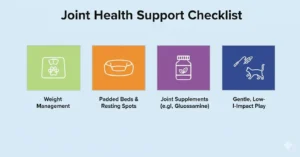
Mini Routine: Warm playtime, followed by a few minutes of brushing, helps loosen muscles and keeps older Maine Coons moving comfortably.
Dental Disease The Silent Problem
Maine Coons are known for their big appetites and hearty jaws but those same jaws can hide a slow-building issue: periodontal disease. Plaque buildup, gum inflammation, and tooth resorption are all common in the breed, especially past age three.
Warning Signs:
- Bad breath (more than just “fishy food” smell)
- Drooling or pawing at the mouth
- Eating less or chewing only on one side
- Red, swollen gums
Prevention Tips:
- Brush teeth 2–3 times a week with feline toothpaste
- Add dental water additives or vet-approved dental treats
- Annual vet cleanings for adult cats
A small daily effort here saves a lot of discomfort (and vet bills) later.
Digestive Sensitivities
Maine Coons have big stomachs and big appetites but not every stomach handles rich foods well. Many develop sensitive digestion or mild food allergies, especially to fillers, artificial colors, or dairy-based treats.
Common Symptoms:
- Soft stools or occasional vomiting
- Excessive gas or bloating
- Dull coat (a sign of nutrient malabsorption)
How to Manage:
- Feed a high-protein, grain-free diet with real meat as the first ingredient
- Avoid rapid food changes switch gradually over 7–10 days
- Include a spoonful of pumpkin purée or probiotic powder occasionally to support gut health
If issues persist, a vet can recommend a limited-ingredient or hydrolyzed protein diet.
Polycystic Kidney Disease (PKD)
Though less common than in Persians, some Maine Coons carry a genetic predisposition to PKD, where fluid-filled cysts develop in the kidneys over time. It often progresses silently until the cat shows signs of kidney failure in later life.
Warning Signs:
- Increased thirst and urination
- Weight loss despite normal eating
- Poor coat quality
- Vomiting or lethargy
Prevention & Monitoring:
- DNA testing before breeding or early in life
- Annual bloodwork and urine tests after age six
- High-moisture diets (wet food or water fountains) to support kidney function
Many of our rescued Maine Coons come with full medical histories. If adoption feels right for you, see available Maine Coon rescue cats near you
Spinal Muscular Atrophy (SMA)
This rare hereditary condition affects the spinal cord’s motor neurons, leading to muscle weakness in the hind legs. It sounds scary, but the silver lining is that SMA is not painful and cats with mild forms often live normal, happy lives indoors.
Signs Typically Appear By: 3–4 months of age
What to Look For:
-
Wobbly or unsteady back legs
-
Bunny-hopping gait
-
Difficulty jumping
DNA testing can identify carriers, and responsible breeders actively avoid passing the gene along.
Other Notable Conditions
-
Obesity: The #1 preventable issue. Maine Coons love food and lounging. Regular play sessions are crucial to keep that muscle mass from turning to fat.
-
Dental resorption: Common with age; regular vet checkups catch it early.
-
Thyroid disease: Older Maine Coons can develop hyperthyroidism sudden weight loss despite constant hunger is a classic clue.
The Power of Prevention
So much of Maine Coon health care comes down to observation and consistency. These cats are stoic — they won’t cry out in pain. Instead, they’ll act differently. A jump skipped, a toy ignored, a quieter meow. Those tiny cues are their language, and learning it early is your best health tool.
Vet care isn’t just about shots it’s about building a partnership between your vet, your cat, and you. Annual exams, occasional blood tests, and small daily habits form a safety net strong enough to catch most problems long before they become serious.
Preventive Care Routine for a Healthy Maine Coon
Keeping your Maine Coon healthy isn’t about endless vet visits it’s about building small, consistent habits that quietly protect their well-being over time. Prevention truly is easier (and much cheaper) than treatment.
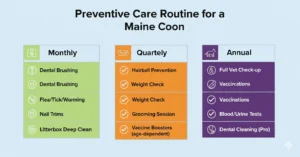
- Monthly: Make grooming sessions more than just coat care. Use the time to check for tangles, ear debris, or dental buildup. Look inside the ears for redness or odor and gently brush their teeth with cat-safe toothpaste. If you can, log your notes a quick “ear looks clean” or “slight tartar” reminder can help track subtle changes month to month.
- Quarterly: Once every few months, take a look at their weight and overall behavior. Is your cat still jumping as high? Are they eating and socializing normally? Keep tabs on litter box habits and energy levels these quiet clues often speak volumes about heart and joint health.
- Annually: A yearly vet exam is non-negotiable for Maine Coons, especially since they’re prone to heart and joint conditions. Ask about baseline bloodwork and an echocardiogram if your vet recommends one. Early screening can detect heart murmurs or thyroid changes before they turn serious.
And don’t underestimate nutrition a balanced, high-quality diet supports immune strength, glossy fur, and overall vitality.
Pro Tip: Turn your grooming or health checks into bonding rituals. Cats read our energy if you’re calm, they’re calm. Every Sunday grooming turned into our health check ritual, now she even rolls over for belly combs.
Signs You Shouldn’t Ignore
Even the healthiest Maine Coons can have off days, but some symptoms should immediately raise flags. Rapid breathing or open-mouth panting, especially at rest, can signal heart or respiratory issues. Changes in appetite, sudden hiding, or skipping litter box use might mean discomfort or pain.
Watch for limping or favoring one leg Maine Coons are active cats, but hip dysplasia or arthritis can creep up quietly. A dull coat, persistent vomiting, or sudden lethargy can also point to deeper issues.
The rule of thumb: trust your gut. You know your cat’s rhythm better than anyone. If something feels “off,” it’s always worth checking in with your vet catching problems early can make all the difference.
Helping Your Maine Coon Live Longer, Happier Years
When it comes down to it, longevity is built on love, routine, and observation. Maine Coons thrive when their days feel safe and predictable regular feeding times, quiet grooming moments, and gentle conversation all become anchors of trust.
Mental stimulation keeps them youthful. Simple things a puzzle toy, feather wand, or even a sunny window ledge for bird-watching spark curiosity and exercise their minds. Emotional health matters just as much as physical care: these cats form deep bonds and often flourish when they’re part of your daily life, not just living beside it.
If there’s one truth seasoned owners agree on, it’s this: health care is love in action. When you nurture their body and mind, you’re not just extending their lifespan you’re enriching every day you get to share.
You May Like:
-
Maine Coon Grooming Guide (for coat and ear checks)
-
Maine Coon Feeding Chart (for nutrition connection)
FAQs
What is the average lifespan of a Maine Coon?
Most live 12–15 years, though some reach 18 or more with good diet, early vet care, and consistent observation.
How can I prevent heart disease in my Maine Coon?
Schedule regular HCM screenings, maintain a healthy weight, and feed taurine-rich, balanced meals that support cardiac health.
Do Maine Coons need genetic testing?
If you’re getting your kitten from a breeder, ask for proof of HCM and SMA clearances. Responsible breeders screen parents to reduce inherited risks.
How often should Maine Coons go to the vet?
At least once yearly for checkups, and every 3–4 months for kittens until they turn one.
Are Maine Coons prone to obesity?
Yes. Their slower metabolism makes portion control and daily activity important to preserve muscle tone. Adequate hydration also plays a role in maintaining overall health, and many cats are more inclined to drink regularly when water is flowing which is why some owners choose a cat water fountain to encourage consistent water intake.
What are the early signs of illness I should watch for?
Look for lethargy, appetite loss, dull coat, breathing changes, or withdrawal. Subtle shifts often reveal bigger issues when in doubt, call your vet.
Hi, I’m Rob Archer. I’m deeply passionate about helping cats find loving homes and giving people the tools to make rescue and adoption easier. Every article I write is driven by a love for animals and a belief that every cat deserves responsible, long-term care. Learn more about Rob Archer.