For cat people, at every stepQuestions? Call (305) 388-1902
Contact

BREED FIELD GUIDE Maine Coon

Maine Coon breed guide

Maine Coons are known for their substantial build, shaggy coat and sociable nature. This guide looks past the “gentle giant” label to help you understand daily care, health conversations and what living with one can really involve.

Maine CoonBreed profile

01 / BREED OVERVIEW

A quick, grounded introduction

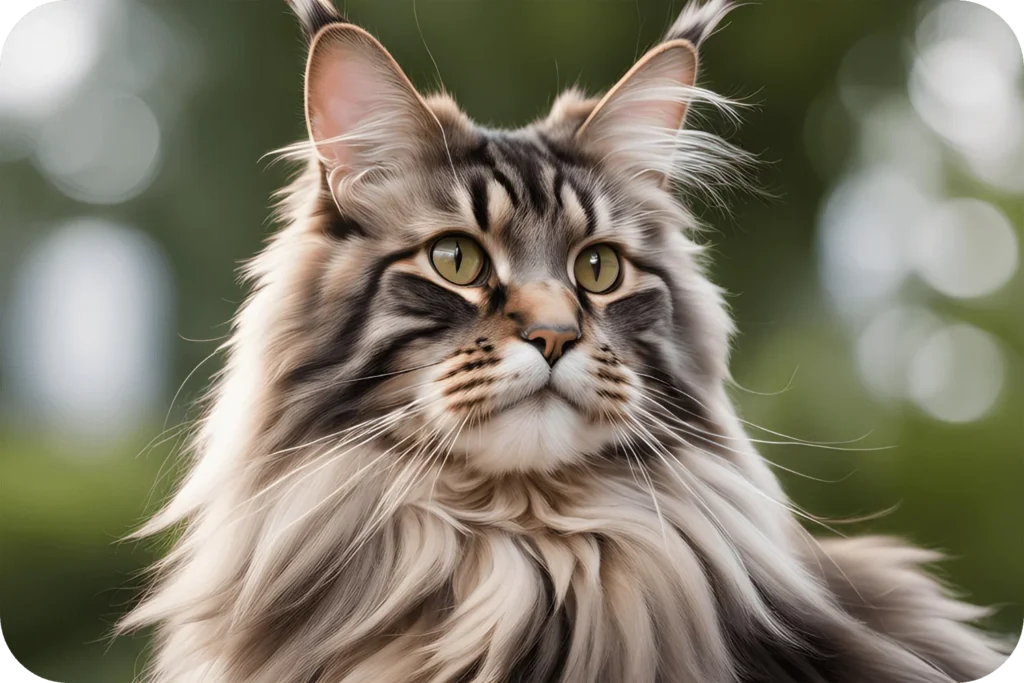
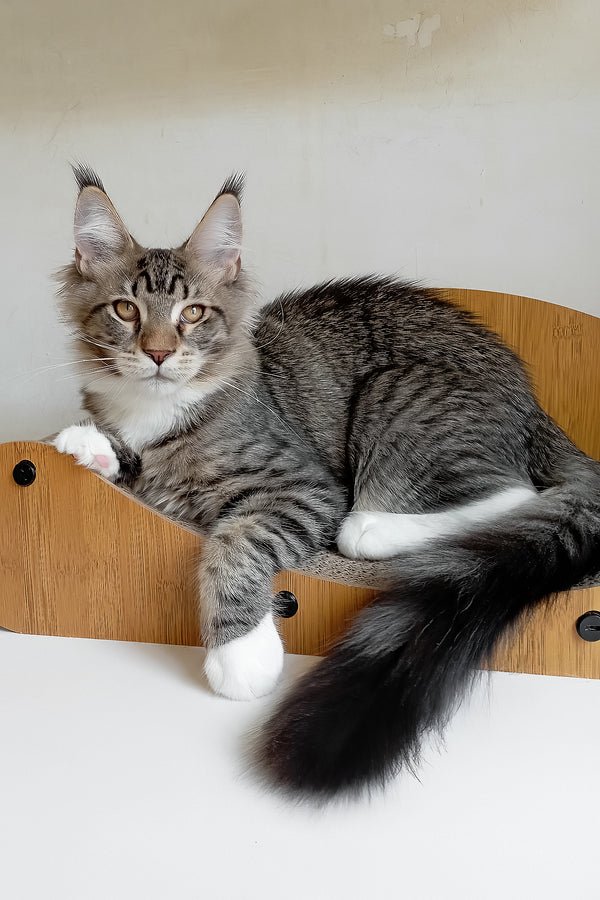
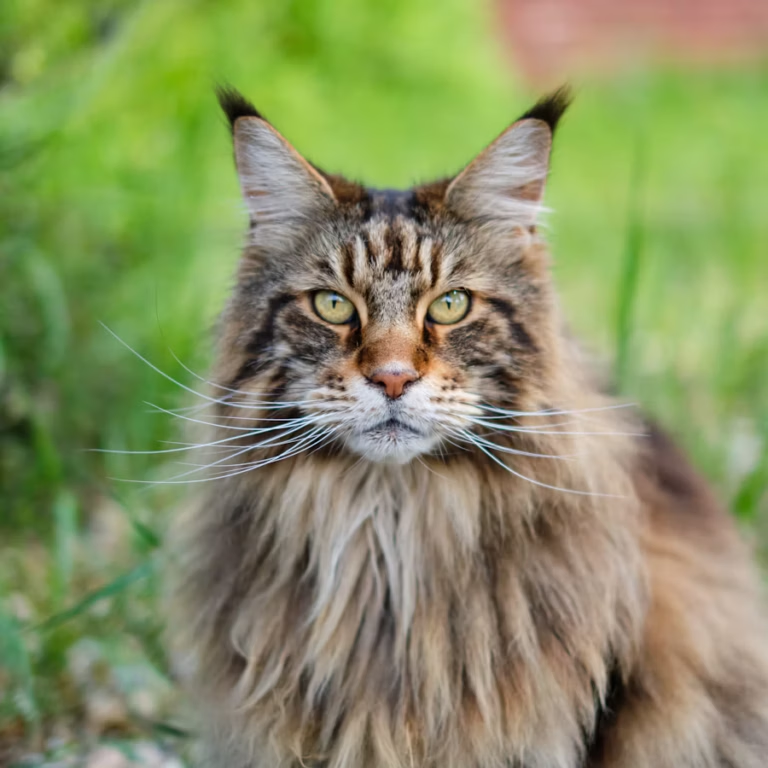
The Maine Coon is a large, longhaired domestic cat associated with the northeastern United States and the state of Maine. It has a substantial, long-bodied build, a long plumed tail, large paws and a coat that is longer around the ruff, underside and hind legs. Maine Coons come in many colors and patterns.

Many are people-oriented and playful without needing constant attention. Some follow their people from room to room; others prefer their own space. Their size and coat are part of the appeal, but they also mean planning for grooming, sturdy equipment and long-term care.

Breed descriptions can point to common tendencies, but they cannot tell you exactly what an individual cat will be like. Temperament, coat texture, size and care needs vary from cat to cat.

History & origins

The Maine Coon is associated with Maine and is recognized as a North American domestic cat breed. Its early history is not fully documented, and several popular origin stories are folklore rather than established fact. The story that Maine Coons are part raccoon is not true: they are domestic cats.

Appearance

Maine Coons are generally substantial, long-bodied cats with a broad, balanced build. Their shaggy coat is often shorter over the shoulders and longer along the sides, underside and hind legs, with a long, plumed tail. Large paws and ear tufts are common breed features. The exact build, coat texture and degree of furnishings vary by cat; size alone is not a measure of health or quality.

Origin
Maine, United States; a North American domestic cat breed. The breed is associated with Maine, although its early history is not fully documented and popular origin stories are often folklore.
Typical size
A large, long-bodied cat with a shaggy coat, long plumed tail and large paws. Adult size and coat texture vary by individual; size alone is not a measure of health or quality.
Coat
Longhaired and shaggy, with length and texture that vary by individual.
Colors & patterns
Many colors and patterns; individual coat markings vary.
Typical lifespan
12.5+ years (TICA reference; individual lifespan varies).
Temperament
Often sociable, gentle and playful; each cat has an individual personality.

A CLOSER LOOK

Maine Coon in pictures

A small gallery can bring the breed’s features and everyday presence to life.

02 / A REALISTIC FIT CHECK

Could this breed fit your household?

MAY SUIT A HOME THAT…

Enjoys this kind of companion

  • Can make time for interactive play and social contact each day.
  • Is prepared to comb a long coat and check for tangles, especially under the legs and around the ruff.
  • Has room and budget for a larger carrier, litter setup, scratching surfaces and routine veterinary care.
  • Can provide safe indoor enrichment, climbing options and windows or other forms of stimulation.

PLAN AHEAD IF…

There are needs to consider

  • You want a cat that needs very little grooming or interaction.
  • You expect every Maine Coon to be oversized, quiet, lap-loving or comfortable with every child and pet.
  • You cannot yet plan for routine and unexpected veterinary costs.
  • You are choosing mainly by coat color, advertised weight or a claim that a cat is “hypoallergenic.”

03 / BODY, BEHAVIOR & EVERYDAY LIFE

What the breed shorthand leaves out

01

Big, but still a cat

Expect a substantial frame and long body. Do not judge health by size alone or assume the largest kitten is the best choice.

02

Company on their terms

Many enjoy being near their people and taking part in household routines. That does not mean every cat wants to be carried or sit on a lap.

03

Play that keeps going

Interactive toys, food puzzles and short play sessions can keep an active cat engaged. Adapt play to age, mobility and temperament.

04

Chirps and trills

Some Maine Coons communicate with chirps or trills as well as meows. Listen to the cat in front of you rather than expecting a particular “voice.”

05

Slow to mature

Breed references describe a longer growth period than many cats. Development and adult size vary; ask your veterinarian about healthy growth.

06

Coat comes in variety

Colors and patterns vary widely. Coat texture also differs, which affects how readily it tangles and how much grooming a particular cat needs.

04 / COAT & DAILY CARE

A routine that supports everyday wellbeing

Comb the coat regularly, paying attention behind the ears, under the front legs, belly and hindquarters. Keep grooming sessions calm and short, and ask a veterinary professional or qualified groomer for help with tight mats. Provide daily play, scratching options, fresh water, a clean litter area and routine veterinary care.

1

Comb in short sessions

Use a suitable comb several times a week as a practical starting point. Check behind the ears, under the front legs, belly and hindquarters.

2

Check the whole cat

Build in calm checks of ears, eyes, claws, skin and coat. Introduce handling gradually, rewarding cooperation instead of forcing long sessions.

3

Keep play and rest balanced

Offer daily play, scratchers, resting spots and a clean litter area. Keep fresh water available and ask your veterinarian about diet and body condition.

SEE THE BREED IN MOTION

A closer look, beyond the written guide

A short clip can show movement, coat length or a calm grooming routine more clearly than another paragraph. Add captions or a transcript so the information remains available to everyone.

05 / HEALTH & PREVENTIVE CARE

Questions worth asking

Health topics

Maine Coons may be at increased risk for hypertrophic cardiomyopathy (HCM); hip dysplasia, spinal muscular atrophy and pyruvate kinase deficiency are also health topics to discuss where relevant. Ask breeders for cat-specific screening records and have a veterinarian explain them. No test rules out every condition, and Charing Cross Cats is not a veterinary clinic.

Heart health

Hypertrophic cardiomyopathy (HCM) occurs in cats and is reported more often in some breeds, including Maine Coons. Ask what screening has been done and what it does—and does not—tell you.

Movement & joints

Ask about the cat’s mobility and history. Hip dysplasia is among the conditions that breed organizations note breeders may screen for.

Inherited conditions

Ask whether records address spinal muscular atrophy (SMA) and pyruvate kinase deficiency (PK deficiency), where relevant to the cat’s family line.

Routine prevention

Discuss vaccines, parasite prevention, dental care, nutrition, weight and the timing of future checkups with the cat’s veterinarian.

06 / BEFORE A CAT COMES HOME

Prepare for the cat you will welcome

Room to settle

Prepare a quiet starter room with hiding places, food, water, litter and a comfortable resting spot.

Sturdy equipment

Choose a carrier, litter tray, scratching surfaces and climbing furniture suitable for a larger cat.

Grooming tools

Have a comb and nail-care plan ready; let the cat’s coat and comfort guide the routine.

Vet relationship

Choose a veterinarian and plan an initial visit. Bring any records and ask what follow-up is appropriate.

07 / TWO DISTINCT WAYS TO MEET A CAT

Choose the path that fits your situation

BREEDER LISTING / FOR SALE

Questions for a breeder

  • Can I meet the kitten and see the environment where they are raised?
  • What is the kitten’s age, veterinary history and documented health screening?
  • What are the written reservation, payment, pickup and return terms?
  • Who is the breeder, and can I speak with them directly?
  • What support is available after the kitten goes home?
RESCUE / REHOMING

Questions for the responsible contact

  • Who currently cares for this cat and makes the placement decision?
  • What is known about the cat’s health, behavior and prior home?
  • What application steps, fees and timing apply to this individual cat?
  • Can the cat meet any household members or resident pets before placement?
  • What records and support will come with the cat?

08 / COMMON ASSUMPTIONS

Ideas worth checking carefully

“Part raccoon”

No. That popular tale is folklore. Maine Coons are domestic cats; their exact early ancestry is not fully known.

“Every one is a lap cat”

No. Many are friendly and people-oriented, but how each cat likes to be handled and how close they want to be is individual.

“A test means no risk”

No test covers every condition. Screening can inform a conversation, but it cannot guarantee an individual cat will never become ill.

09 / QUICK ANSWERS

Maine Coon questions

Answers to common questions about this breed.

How large will a Maine Coon get?

Maine Coons are generally a large breed, but adult size varies with the individual, sex and family line. Ask about the cat’s growth and body condition rather than relying on a promised adult weight.

How often should I groom a Maine Coon?

Plan for regular combing. CFA recommends combing two or three times a week to help control shedding and prevent mats; the right routine depends on the individual coat.

Are Maine Coons hypoallergenic?

No cat breed can be assumed hypoallergenic. If allergies are a concern, spend time around the specific cat when possible and discuss your situation with a healthcare professional.

Are Maine Coons good with children or other pets?

Many are described as sociable, but compatibility depends on the individual cat, other animals, introductions and supervision. Ask about that cat’s actual behavior and make introductions gradually.

What health checks should I ask about?

Ask what veterinary care and screening the individual cat has received. For breeding cats, discuss HCM screening and any other tests relevant to the line with the breeder and your veterinarian. Review records rather than relying on general claims.

Does a Maine Coon have to be bought from a breeder?

No. You can explore breeder listings or rescue and rehoming listings. Each path has a different responsible contact and process; confirm the details on the individual profile.

10 / EXPLORE AVAILABLE CATS

Two distinct paths. Start with the one you mean.

BREEDER NETWORK

Maine Coon kittens for sale

Explore breeder listings and review each profile and its written terms.

Explore sale listings
RESCUE & REHOMING

Maine Coon cats seeking homes

Explore rescue and rehoming profiles; confirm each cat’s process with its responsible contact.

Explore rescue listings

Breed information sources

Breed characteristics are summarized from the Cat Fanciers’ Association and The International Cat Association. Health information is general and is not a diagnosis or a substitute for veterinary advice. For advice about an individual cat, consult a veterinarian.